In the fast-paced logistics and delivery industry, particularly in Bahrain’s bustling market, selecting the right delivery vehicle is crucial for ensuring efficiency and meeting customer expectations. This choice not only affects operational costs but also impacts customer satisfaction. Whether you’re based in Manama or serving customers across the country, understanding how to choose the right delivery vehicle is essential for success. This guide will explore the factors to consider when selecting a delivery vehicle and how platforms like Delivery Hub Bahrain and the DHB app can support your delivery needs.
Understanding Your Delivery Requirements
1. Assess Your Business Model
Before choosing a delivery vehicle, it’s vital to analyze your specific business needs. Consider the following questions:
- What types of products are you delivering? Are they small packages, large items, or perishable goods?
- What is the average volume of deliveries? This will determine the size and capacity of the vehicle you need.
- What delivery areas do you serve? Consider both local and long-distance deliveries, as this will influence your vehicle choice.
Understanding these factors will help you select a vehicle that aligns with your operational requirements.
2. Know Your Customer Expectations
Customers in Bahrain, especially in urban areas like Manama, have high expectations for delivery services. Many consumers are looking for same-day or express delivery options. Recognizing these expectations will guide you in choosing a vehicle that can meet these demands efficiently.
Types of Delivery Vehicles
1. Vans
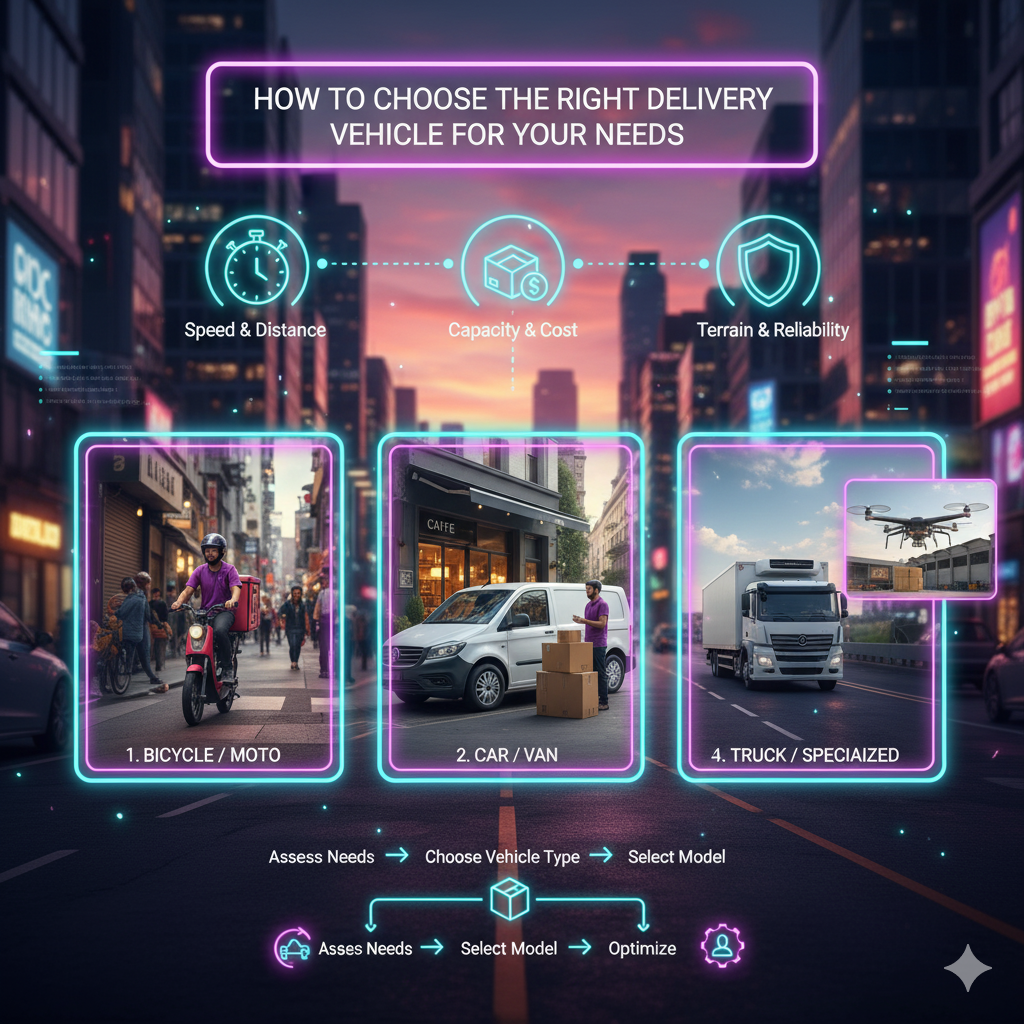
Vans are often the go-to choice for delivery services due to their spacious interiors and versatility. They can accommodate various package sizes and are suitable for both local and regional deliveries.
Pros:
- Ample space for multiple packages
- Often fuel-efficient
- Suitable for urban driving
Cons:
- May require more parking space
- Limited load capacity compared to larger trucks
2. Trucks
For businesses needing to transport larger items or higher volumes of goods, trucks are an ideal option. They provide significant cargo space and can handle heavier loads.
Pros:
- High load capacity
- Suitable for long-distance deliveries
- Can transport bulk items securely
Cons:
- Higher operational costs (fuel, maintenance)
- May not be as maneuverable in urban settings
3. Bikes and Motorcycles
For quick deliveries in busy urban areas like Manama, bikes and motorcycles can be an excellent option. They are particularly effective for delivering small packages and documents.
Pros:
- Highly maneuverable in traffic
- Lower fuel costs
- Fast delivery times in congested areas
Cons:
- Limited cargo space
- Not suitable for larger or fragile items
4. Electric Vehicles (EVs)
As sustainability becomes increasingly important, electric vehicles are gaining popularity for delivery services. They are eco-friendly and can reduce operating costs over time.
Pros:
- Lower carbon footprint
- Reduced fuel and maintenance costs
- Quiet operation
Cons:
- Limited range compared to traditional vehicles
- Initial investment may be higher
Factors to Consider When Choosing a Delivery Vehicle
1. Cargo Capacity
Evaluate the typical size and weight of the items you will be delivering. Ensure that the vehicle you choose can accommodate your cargo without compromising safety or efficiency.
2. Operational Costs
Consider the total cost of ownership, including fuel efficiency, maintenance, insurance, and financing options. Choosing a vehicle with lower operational costs can significantly affect your bottom line.
3. Delivery Speed
For businesses offering express or same-day delivery, vehicle speed and efficiency are critical. Choose vehicles that can navigate urban traffic effectively to meet customer expectations for fast service.
4. Security Features
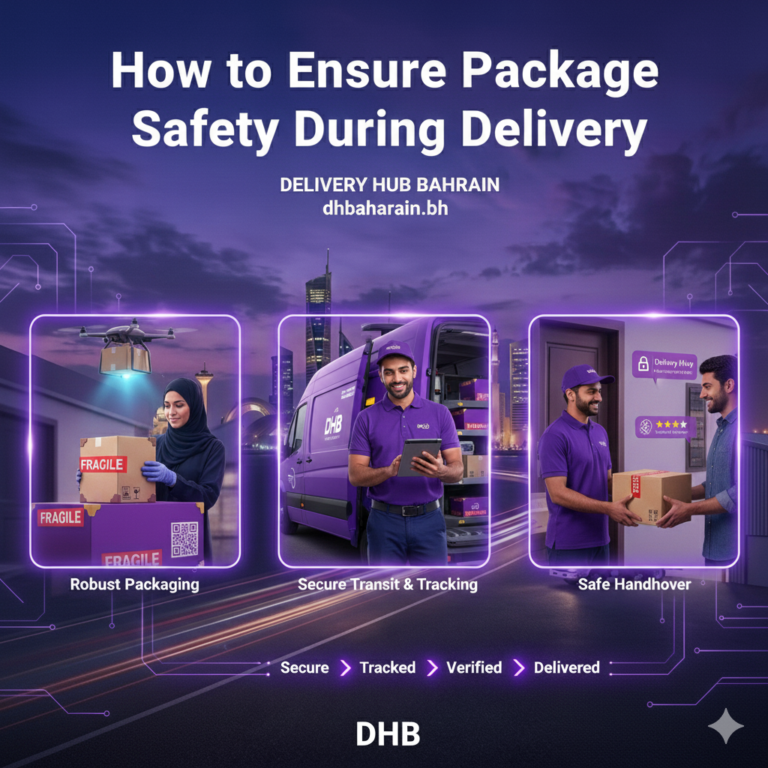
Ensure that the delivery vehicle has adequate security features to protect your goods during transit. This may include secure locking mechanisms, GPS tracking, and alarm systems.
5. Environmental Impact
As consumers become more environmentally conscious, consider the impact of your delivery vehicles on the environment. Electric vehicles and fuel-efficient options can enhance your brand’s image and appeal to eco-conscious customers.
Leveraging Technology for Delivery Management
1. Using the DHB App
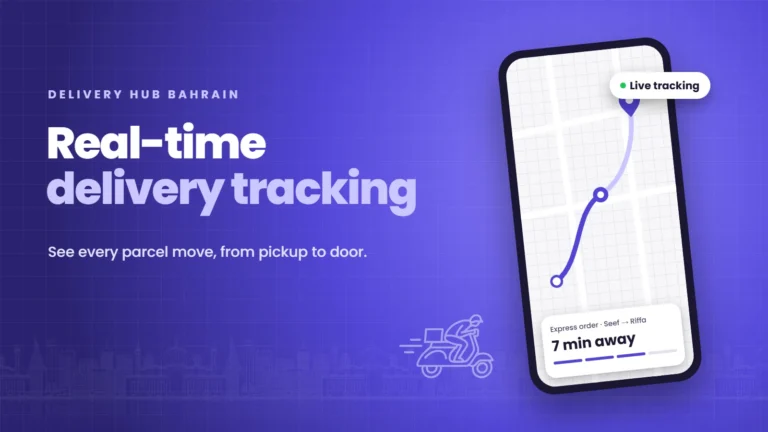
The DHB app from Delivery Hub Bahrain can assist in managing your delivery operations efficiently. It offers features such as tracking shipments in real-time and optimizing delivery routes. By integrating technology into your delivery management, you can enhance efficiency and customer satisfaction. Learn more about the app at dhbahrain.bh.
2. Real-Time Tracking
The ability to track deliveries in real-time not only improves customer experience but also allows you to monitor the performance of your delivery vehicles. This data can help you make informed decisions about your fleet and delivery operations.
Conclusion
Choosing the right delivery vehicle is essential for optimizing your logistics and meeting customer expectations in Bahrain. By assessing your business needs, understanding customer demands, and considering various vehicle options, you can select a vehicle that enhances your delivery efficiency.
For businesses in Bahrain looking to improve their delivery operations, consider utilizing the services of Delivery Hub Bahrain and the DHB app. These resources can help you manage deliveries effectively and ensure that you meet the growing demands of your customers in Manama and beyond.
By implementing these strategies and leveraging technology, you can create a robust delivery system that not only meets operational goals but also satisfies your customers’ needs for fast, secure, and reliable service. For more information, visit dhbahrain.bh.
Track every package live with DHB.
Try the app