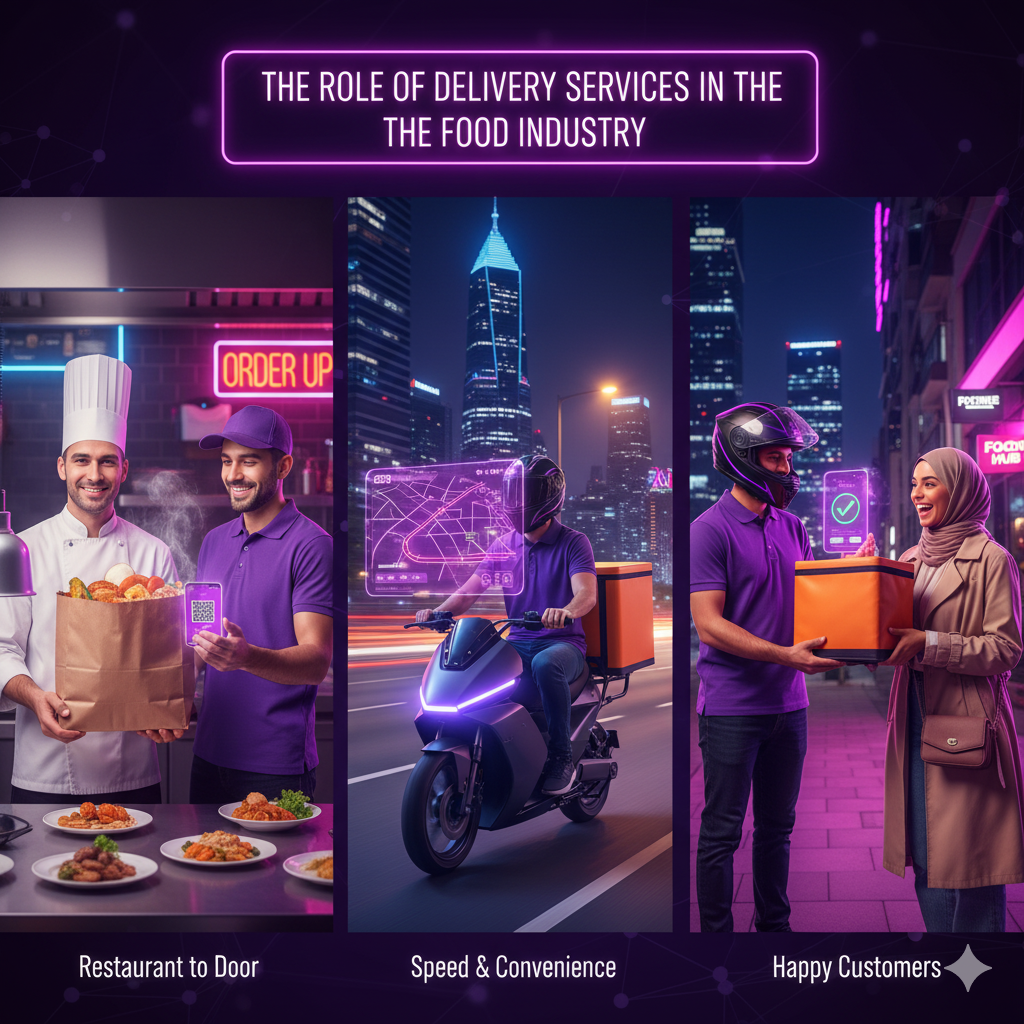
In Bahrain, the food industry is a vital component of daily life, encompassing everything from street vendors to high-end restaurants. As consumer preferences shift towards convenience and speed, delivery services have become integral to this sector. In bustling cities like Manama, where time is often limited, fast, secure, and efficient food delivery options are essential. This blog explores the multifaceted role of delivery services in the food industry, highlighting their impact on accessibility, customer satisfaction, and business growth.
1. Enhancing Accessibility to Food Options
Delivery services significantly increase access to a variety of food choices:
- Wider Reach for Restaurants: Local eateries and food businesses can now reach customers beyond their immediate vicinity in Manama. This expansion allows them to cater to a broader audience, including those in remote areas.
- Diverse Cuisine Availability: Customers benefit from a myriad of options, from traditional Bahraini dishes to international cuisines, all available at the touch of a button through delivery apps.
2. Supporting Local Businesses
Delivery services play a crucial role in empowering local food businesses:
- Increased Sales Opportunities: By integrating with delivery platforms, smaller restaurants can access a larger customer base, boosting sales without the need for extensive marketing.
- Flexible Logistics Solutions: Many local food businesses can choose between same-day delivery or express options, allowing them to meet customer demands efficiently while managing operational costs.
3. Improving Customer Experience
The convenience of food delivery greatly enhances customer satisfaction:
- Fast and Reliable Service: With the rise of express delivery options in Bahrain, customers can enjoy their meals within minutes of ordering, which is particularly appealing for busy individuals and families.
- Real-Time Tracking: Delivery apps provide customers with real-time updates on their orders, ensuring transparency and reducing anxiety about when their food will arrive.
4. Adapting to Changing Consumer Habits
The food industry is rapidly evolving, and delivery services have adapted to meet new consumer habits:
- Rise of Online Ordering: As more people turn to online platforms for food purchases, delivery services enable restaurants to stay competitive by offering digital ordering and payment options.
- Health and Safety Measures: Contactless delivery options have become essential, ensuring that customers feel safe while enjoying their favorite meals, especially in light of health concerns.
5. Promoting Sustainability
Sustainability is increasingly important in the food industry, and delivery services can contribute positively:
- Eco-Friendly Packaging: Many delivery platforms encourage or require restaurants to use sustainable packaging, reducing waste and appealing to environmentally conscious consumers.
- Optimized Delivery Routes: Advanced logistics and route planning minimize fuel consumption and emissions, supporting Bahrain’s environmental initiatives.
6. Facilitating Special Promotions and Offers
Delivery services enable food businesses to implement creative marketing strategies:
- Limited-Time Offers: Restaurants can promote exclusive deals for delivery customers, driving sales and creating excitement around their offerings.
- Loyalty Programs: Many delivery apps incorporate loyalty programs, rewarding frequent customers and encouraging repeat business, which benefits local eateries.
7. Enabling Quick Responses to Market Trends
Delivery services allow food businesses to quickly adapt to market trends:
- Response to Demand: Restaurants can adjust their menus or introduce special items based on real-time data from delivery platforms, ensuring they meet current consumer preferences.
- Testing New Concepts: Delivery allows businesses to experiment with new dishes or pop-up concepts without the commitment of a full dining experience, providing valuable feedback and insights.
8. Supporting Food Safety and Quality
Maintaining food safety and quality is paramount in the food delivery sector:
- Temperature Control: Delivery services often use insulated bags and proper handling protocols to ensure food remains at safe temperatures during transit, preserving quality.
- Training and Standards: Many logistics companies provide training for their delivery personnel on safe food handling, further ensuring that quality standards are met from restaurant to customer.
Conclusion
Delivery services have become a cornerstone of the food industry in Bahrain, transforming how consumers access and enjoy their meals. By enhancing accessibility, supporting local businesses, and improving customer experiences, these services have reshaped the food landscape. As consumer habits continue to evolve, the role of delivery services will only grow, driving innovation and sustainability in Bahrain’s vibrant food industry. For restaurants and food businesses, partnering with reliable delivery providers is essential for staying competitive and meeting the demands of today’s consumers.