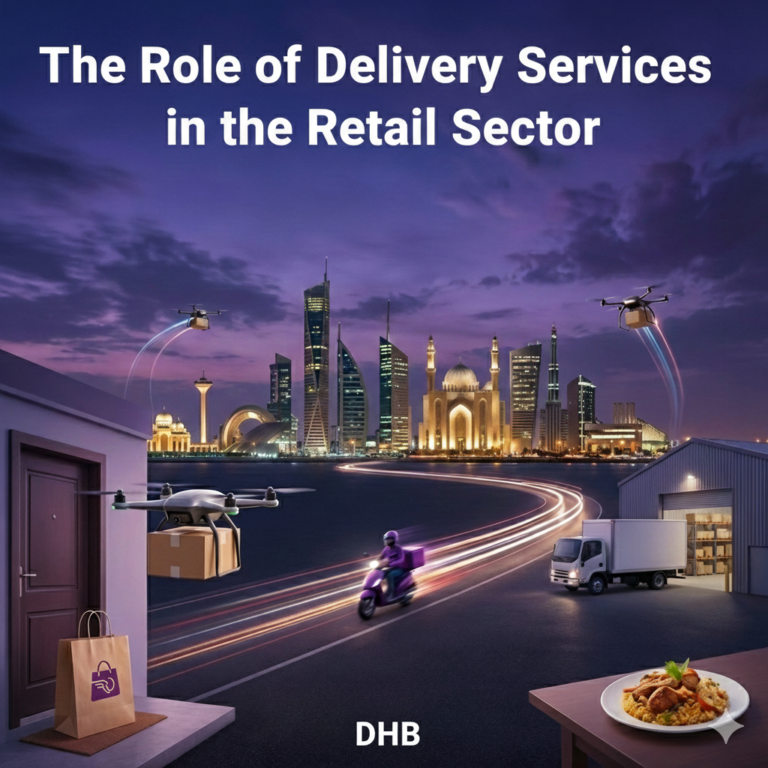
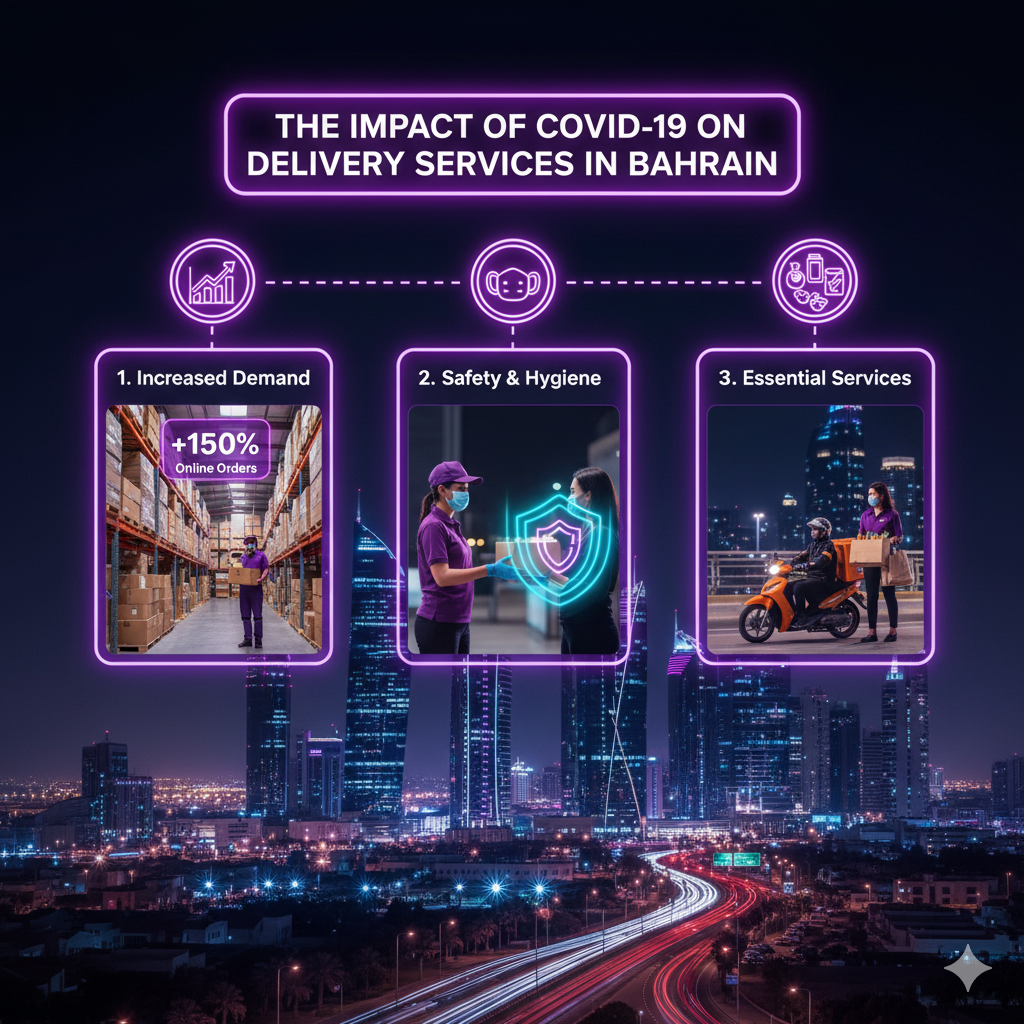
The COVID-19 pandemic has significantly transformed various sectors globally, with the delivery services industry being one of the most affected. In Bahrain, the pandemic prompted a rapid evolution of delivery services as businesses and consumers adapted to new realities. Here’s an overview of how COVID-19 has impacted delivery services in Bahrain.
1. Surge in Demand for Delivery Services
Increased Online Shopping
With lockdown measures and social distancing protocols in place, many consumers turned to online shopping for essential goods and services. This led to a substantial increase in demand for delivery services, as people sought convenient ways to access products without leaving their homes.
Expansion of Delivery Offerings
To meet the rising demand, many delivery companies expanded their service offerings beyond traditional packages to include groceries, pharmaceuticals, and essential household items. This diversification helped them cater to a broader audience during the pandemic.
2. Emphasis on Contactless Delivery
Adoption of Contactless Solutions
To ensure the safety of both customers and delivery personnel, many services adopted contactless delivery methods. This included leaving packages at the door, using digital payment options, and minimizing direct contact during transactions.
Safety Protocols
Delivery companies implemented stringent safety protocols, such as sanitizing vehicles and packaging, to reassure customers about the safety of their deliveries. Employees were trained on hygiene practices, and personal protective equipment (PPE) became standard for delivery personnel.
3. Technological Advancements
Increased Use of Mobile Apps
The pandemic accelerated the adoption of mobile applications for ordering and tracking deliveries. Many businesses invested in enhancing their digital platforms to provide seamless user experiences, enabling customers to place orders easily and track their packages in real-time.
Integration of Advanced Technologies
Delivery services began utilizing advanced technologies like GPS tracking, route optimization, and automated customer support systems to improve efficiency and reliability. These innovations helped streamline operations and enhance service quality during peak demand periods.
4. Changes in Consumer Behavior
Shift in Shopping Preferences
COVID-19 has led to a lasting change in consumer shopping behavior. Many customers who previously preferred in-store shopping have now embraced online purchasing as a convenient alternative. This shift is likely to continue even after the pandemic.
Increased Expectations
As consumers became accustomed to the convenience of delivery services, their expectations grew. Faster delivery times, real-time tracking, and enhanced customer service became essential for retaining customer loyalty.
5. Challenges Faced by Delivery Services
Capacity Strain
The sudden surge in demand placed a significant strain on delivery services, leading to challenges in managing logistics, staffing, and operational capacity. Many companies had to quickly adapt to meet the increased volume of orders.
Supply Chain Disruptions
The pandemic caused disruptions in global supply chains, affecting the availability of certain products. Delivery services had to navigate these challenges, often communicating delays and managing customer expectations effectively.
6. Local Partnerships and Collaborations
Supporting Local Businesses
The pandemic prompted many delivery services to partner with local businesses, helping them reach customers during challenging times. This collaboration not only supported local economies but also provided consumers with access to a wider range of products.
Community Engagement
Delivery companies engaged with local communities by offering special promotions and services tailored to meet the needs of residents during the pandemic. This approach fostered goodwill and strengthened brand loyalty.
7. Future Implications
Long-Term Changes
The impact of COVID-19 on delivery services in Bahrain is likely to have lasting effects. The increased reliance on delivery services is expected to continue, with businesses adapting to meet evolving consumer preferences.
Continued Innovation
As the industry evolves, delivery services will need to continue embracing innovation and technology to stay competitive. This includes investing in sustainable practices, enhancing customer experiences, and optimizing operational efficiencies.
Conclusion
The COVID-19 pandemic has fundamentally reshaped the delivery services landscape in Bahrain. From a surge in demand and the adoption of contactless solutions to technological advancements and changing consumer behaviors, the industry has undergone significant transformation. As businesses and consumers adapt to this new reality, the lessons learned during the pandemic will continue to influence delivery services in the future.
For more insights into local delivery options and trends in Bahrain, visit DHBahrain.bh or Delivery Hub Bahrain.