As e-commerce continues to thrive in Bahrain, particularly in urban centers like Manama, the demand for efficient delivery services is at an all-time high. During peak hours, managing deliveries can become a daunting task for businesses and logistics providers alike. This blog will explore effective strategies to prepare for deliveries during peak hours, ensuring fast and secure service for your customers.
Understanding Peak Hours in Delivery Services
1. What Are Peak Hours?
Peak hours refer to specific times of the day when delivery demand surges. In Bahrain, this often occurs during weekends, holidays, and after work hours when consumers are more likely to shop online. Understanding these patterns is crucial for logistics and courier services to optimize their operations.
2. The Impact of Peak Hours on Deliveries
During peak hours, delivery services face increased pressure. High volumes of orders can lead to delays, misrouted packages, and overwhelmed staff. However, with proper preparation, businesses can mitigate these challenges and ensure a smooth delivery process.
Strategies to Prepare for Deliveries During Peak Hours
1. Utilize Technology for Efficiency
Invest in a Robust Delivery App
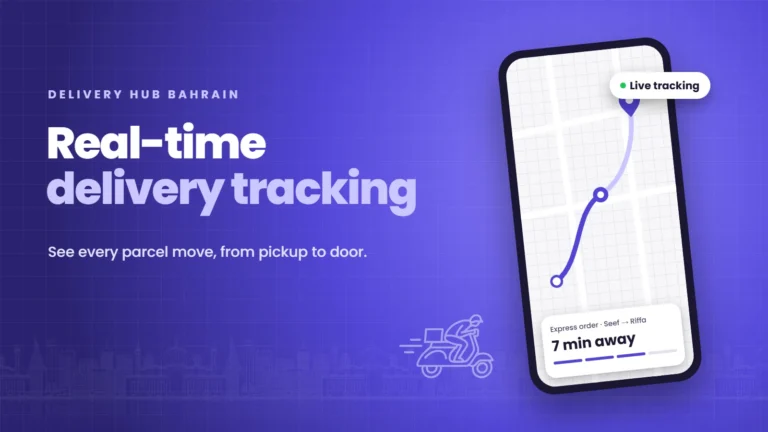
One of the most effective ways to handle peak delivery demands is by utilizing a dedicated delivery app like DHB. This app streamlines the ordering and tracking process, allowing customers to place orders quickly and track their shipments in real-time. By integrating technology, businesses can manage their deliveries more effectively, even during rush hours.
For more information about the app, visit dhbarain.bh.
Real-Time Tracking
Implementing real-time tracking capabilities is essential during peak hours. Customers expect to know where their packages are at all times, and providing this information can reduce anxiety and improve overall satisfaction. The DHB app offers robust tracking features that keep both businesses and customers informed about the status of their deliveries.
2. Optimize Your Logistics Planning
Plan for Increased Demand
Understanding when peak hours occur allows you to plan accordingly. Analyze historical data to identify trends in order volume and adjust your logistics operations to accommodate these surges. For instance, if you notice a spike in orders on Friday evenings, you can allocate more resources to handle deliveries during that time.
Route Optimization
Efficient routing is crucial during peak times. Utilize logistics software that can optimize delivery routes based on real-time traffic conditions. This not only helps in reducing delivery times but also minimizes fuel consumption, making the process more cost-effective.
3. Staffing for Peak Hours
Increase Staffing Levels
During peak hours, consider increasing your staffing levels. This may involve hiring temporary workers or reallocating existing staff to handle the increased workload. Having enough personnel on hand ensures that orders are processed and delivered promptly.
Training and Communication
Ensure that all team members are well-trained and aware of their roles during peak times. Clear communication is vital for coordinating efforts and addressing any issues that may arise. Implement regular briefings to prepare your team for the upcoming demand.
4. Enhance Packaging Practices
Streamline Packaging
Efficient packaging is essential for fast deliveries. During peak hours, consider pre-packaging popular items to speed up the fulfillment process. This reduces the time spent on packaging during busy periods and allows for quicker dispatch.
Secure Packaging
Ensure that all items are securely packaged to prevent damage during transit. This is especially important during peak times when packages may be handled more frequently. Secure packaging not only protects the items but also enhances customer satisfaction.
5. Communicate with Customers
Set Expectations
Clear communication with customers regarding delivery timelines is crucial, especially during peak hours. If delays are anticipated, inform your customers proactively. Setting realistic expectations can help manage customer satisfaction, even if their delivery is slightly delayed.
Utilize the App for Updates
Encourage customers to use the DHB app for real-time updates on their orders. This not only keeps them informed but also reduces the number of inquiries your customer service team has to handle during busy times.
6. Monitor Performance Metrics
Analyze Delivery Data
After peak hours, analyze your delivery performance data to identify areas for improvement. Metrics such as delivery times, customer feedback, and return rates can provide insights into how effectively your business handled the increased demand.
Adjust Strategies Accordingly
Use the information gathered to refine your delivery strategies for future peak periods. Continuous improvement is key to maintaining high levels of service during busy times.
Conclusion
Preparing for deliveries during peak hours is essential for maintaining efficiency and customer satisfaction in Bahrain’s dynamic e-commerce landscape. By utilizing technology, optimizing logistics, enhancing packaging practices, and ensuring effective communication, businesses can navigate the challenges of high demand periods successfully.
For fast, secure, and efficient delivery services in Bahrain, consider using dhbarain.bh and the DHB app. These resources can help streamline your delivery process and ensure that you meet customer expectations, even during the busiest times.
By implementing these strategies, you can prepare your business for peak delivery hours, ensuring that your customers receive their orders on time, every time.
Track every package live with DHB.
Try the app