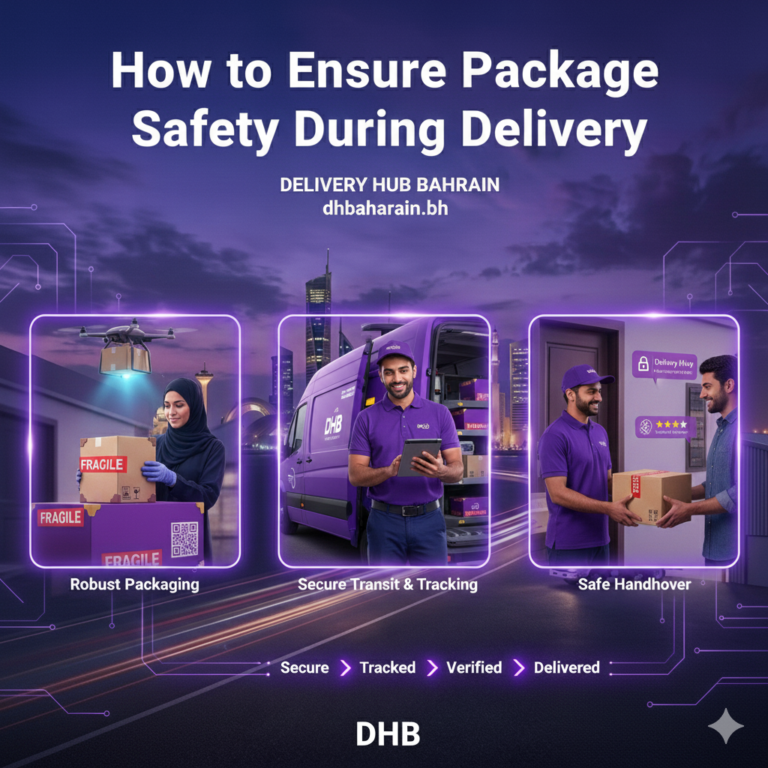
As the delivery industry in Bahrain continues to grow, understanding the regulations governing delivery services is essential for both consumers and businesses. These regulations ensure safety, security, and efficiency within the logistics sector, contributing to a reliable delivery environment. This blog explores the key aspects of Bahrain’s delivery service regulations, including licensing, operational standards, consumer protection, and recent developments.
1. Licensing and Registration
To operate legally, delivery service providers must comply with specific licensing requirements:
- Business Registration: Delivery companies must register with the Ministry of Industry, Commerce, and Tourism in Bahrain. This registration process verifies that the business meets local standards and regulations.
- Transport Licenses: Depending on the type of delivery services offered (e.g., food, goods, or freight), companies may need specialized transport licenses to operate legally within the country.
2. Safety and Security Standards
Bahrain emphasizes safety and security in its delivery service regulations:
- Vehicle Safety Inspections: Delivery vehicles must undergo regular safety checks to ensure they meet health and safety standards. This includes inspections of vehicle condition, maintenance records, and compliance with local traffic laws.
- Driver Qualifications: Delivery personnel are often required to have the necessary driving licenses and training, ensuring they understand safe driving practices and vehicle handling.
3. Consumer Protection
Consumer protection is a cornerstone of Bahrain’s delivery service regulations:
- Transparent Pricing: Delivery services must provide clear information regarding pricing structures, including any additional fees or surcharges, to prevent misleading practices.
- Claims and Refund Policies: Regulations require delivery companies to establish clear policies for handling disputes, refunds, and claims for lost or damaged goods. Consumers should be informed of their rights in these situations.
4. Data Privacy and Security
With the rise of e-commerce, data privacy regulations are increasingly important:
- Protection of Personal Information: Delivery companies must comply with data protection laws that safeguard customers’ personal information collected during the ordering process. This includes secure handling of payment details and contact information.
- Compliance with the Personal Data Protection Law: Bahrain’s Personal Data Protection Law requires businesses to obtain consent for data collection and to implement appropriate security measures to protect sensitive information.
5. Environmental Regulations
Sustainability is a growing concern in Bahrain’s delivery industry:
- Environmental Standards: Delivery services are encouraged to adopt eco-friendly practices, such as using fuel-efficient vehicles or implementing route optimization to reduce carbon footprints.
- Waste Management Policies: Regulations may also address packaging waste, prompting delivery companies to use sustainable materials and minimize environmental impact.
6. Recent Developments in Delivery Regulations
Bahrain is continually adapting to the evolving logistics landscape:
- E-Commerce Growth: As e-commerce expands, regulators are likely to introduce new policies to address challenges specific to online shopping and delivery, ensuring consumer safety and fair competition.
- Digital Transformation: The integration of technology in logistics, such as the use of apps for tracking and managing deliveries, is prompting regulatory updates to address cybersecurity and operational efficiency.
7. Compliance and Enforcement
To maintain standards in the delivery industry, Bahrain has mechanisms for compliance and enforcement:
- Inspections and Audits: Regulatory authorities may conduct inspections and audits of delivery companies to ensure adherence to safety, operational, and consumer protection standards.
- Penalties for Non-Compliance: Delivery services that fail to comply with regulations may face penalties, including fines or revocation of licenses, reinforcing the importance of regulatory adherence.
Conclusion
Understanding Bahrain’s delivery service regulations is vital for consumers and businesses alike, ensuring a safe and efficient logistics environment. From licensing and safety standards to consumer protection and data privacy, these regulations contribute to a reliable delivery framework. As the industry evolves, staying informed about regulatory changes will be essential for navigating the dynamic landscape of delivery services in Bahrain. By adhering to these regulations, delivery providers can enhance customer trust and contribute to the growth of the logistics sector in the country.
Track every package live with DHB.
Try the app