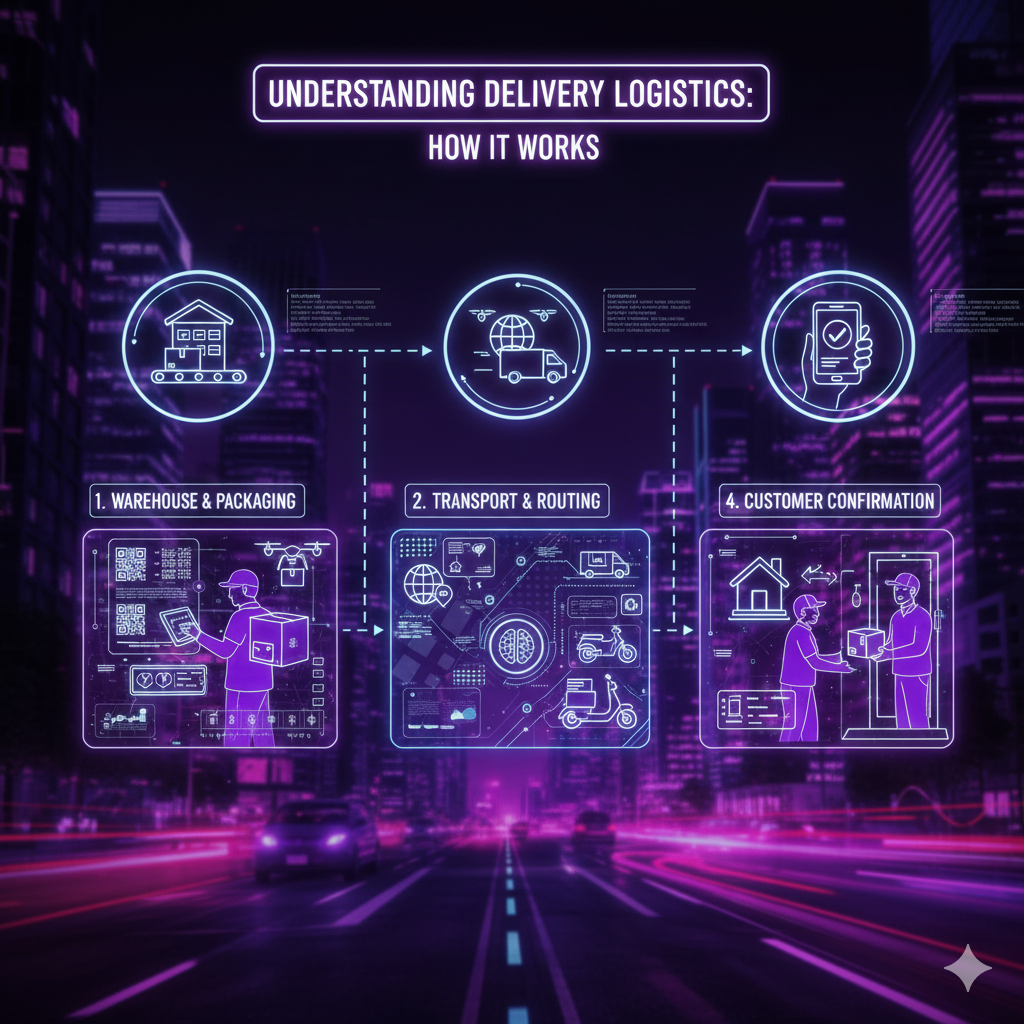
Delivery logistics is a crucial component of modern commerce, ensuring that goods move efficiently from suppliers to consumers. In Bahrain, especially in urban centers like Manama, a robust logistics network supports various delivery services, including fast, express, and same-day options. This blog provides an overview of how delivery logistics works, detailing the processes involved and the technology that drives efficiency and reliability.
1. The Basics of Delivery Logistics
Delivery logistics refers to the planning, implementation, and management of the movement of goods:
- Supply Chain Integration: Logistics starts with the supply chain, encompassing everything from sourcing products to warehousing and transportation. Effective coordination ensures that items are available when and where they are needed.
- Last-Mile Delivery: This term refers to the final step of the delivery process, where products are transported from a distribution center to the end customer. In Bahrain, this is particularly important due to urban density and traffic considerations in cities like Manama.
2. Key Components of Delivery Logistics
Several key elements contribute to the effectiveness of delivery logistics:
a. Warehousing and Inventory Management
- Storage Solutions: Warehouses serve as central hubs where goods are stored before distribution. Efficient inventory management ensures that the right products are available for timely delivery.
- Technology Integration: Many businesses in Bahrain use inventory management systems that track stock levels and automate reordering processes, enhancing efficiency.
b. Transportation Management
- Choice of Vehicles: Delivery logistics involves selecting the right vehicles for transportation, whether it be vans, motorcycles, or bicycles, depending on the size and nature of the goods.
- Route Optimization: Logistics providers use software to determine the most efficient delivery routes, minimizing delays and reducing fuel consumption, which is particularly important in Bahrain’s traffic-heavy areas.
c. Order Processing
- Order Placement: Customers place orders through various channels, such as websites or apps. This initiates the logistics process, triggering inventory checks and fulfillment tasks.
- Dispatch Coordination: Once an order is confirmed, warehouse staff prepare the items for shipping, and logistics teams coordinate the dispatch, ensuring timely pickups by delivery personnel.
3. Technology in Delivery Logistics
Technology plays a pivotal role in enhancing delivery logistics:
a. Real-Time Tracking
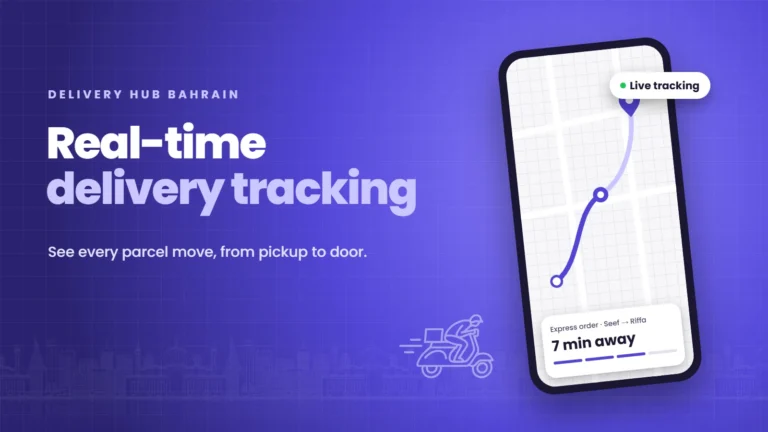
- GPS and Tracking Apps: Most courier services in Bahrain provide tracking features that allow customers to monitor their shipments in real-time, increasing transparency and customer satisfaction.
- Notifications: Automated alerts keep customers informed about their order status, from dispatch to delivery, helping to manage expectations.
b. Data Analytics
- Performance Monitoring: Delivery companies analyze data to assess delivery times, customer feedback, and operational efficiency, allowing them to refine their processes and improve service quality.
- Demand Forecasting: By analyzing purchasing trends, logistics providers can predict demand fluctuations, ensuring they have adequate resources to meet customer needs.
c. Automation and Robotics
- Warehouse Automation: Many logistics centers in Bahrain are adopting automation technologies, such as robotic picking systems, to enhance efficiency and reduce human error in order fulfillment.
- Delivery Drones and Robots: While still emerging, some logistics companies are exploring drone and robot deliveries for fast and efficient last-mile solutions, especially in urban environments.
4. Challenges in Delivery Logistics
Despite advancements, delivery logistics faces several challenges:
- Traffic Congestion: In cities like Manama, traffic can hinder timely deliveries, necessitating careful route planning and real-time adjustments.
- Weather Conditions: Bahrain’s climate, including heat and occasional storms, can impact delivery schedules, requiring logistics providers to have contingency plans.
- Customer Expectations: With the rise of e-commerce, consumers increasingly expect fast, secure, and flexible delivery options, putting pressure on logistics providers to meet these demands.
5. The Future of Delivery Logistics in Bahrain
The logistics landscape in Bahrain is continuously evolving:
- Sustainability Initiatives: Many logistics companies are focusing on eco-friendly practices, such as using electric vehicles and optimizing routes to reduce carbon footprints.
- Enhanced Customer Experience: Future trends may include more personalized delivery options, such as time-slot selections and tailored communication, to improve customer satisfaction.
- Integration of AI and Machine Learning: These technologies will further streamline logistics operations, improve predictive analytics, and enhance decision-making processes.
Conclusion
Understanding delivery logistics is essential for appreciating how goods move efficiently from suppliers to consumers in Bahrain. With a strong focus on technology, real-time tracking, and efficient route planning, logistics providers are equipped to meet the growing demands of the market. As the industry continues to adapt to challenges and embrace innovations, delivery logistics will play an increasingly vital role in shaping the future of commerce in Bahrain and beyond.
Track every package live with DHB.
Try the app